What No One Told Me About Making a Living as a Photographer
I’ve made almost every mistake a photographer can make while running a photography business—from running up credit card debt to taking jobs without proper or extremely unfriendly contracts. The biggest shift came when I stopped acting like a freelancer who was just happy to get an assignment and started thinking like a small business owner trying to build something sustainable. I never worked in a traditional office, so I got a late start—but better late than never.
Over the years, through festivals, photography events, and workshops, I’ve met photographers of every age and experience level. What I’ve consistently found missing is honest, practical education about the business side of photography. So that’s what this is.
Below are the business lessons I wish someone had drilled into me earlier.
Editor’s note: I originally wrote this article 12 years ago. I’ve left it largely intact because, after two more decades of work, I still believe the lessons hold up.
Retirement Plan
No matter how old you are, start a retirement plan today. Open an IRA, Roth IRA, or Self-Employed IRA—it takes minutes. I use a Self-Employed IRA through Vanguard, with automatic monthly contributions invested in mutual funds. If you’re in your 30s, ask friends with corporate jobs how much is already in their 401(k). The numbers will shock you. You will need this money one day.
Health Insurance
Especially for expats: you need coverage. One serious accident can bankrupt you. I use an international plan that works for me—just make sure you’re protected.
Savings
Injuries, family emergencies, and unexpected events happen. A good baseline is at least three months of living expenses in a liquid savings account.
Taxes
Stay on top of them. Know what’s deductible. Keep clean records with software like QuickBooks or hire an accountant.
Contracts
Every job should have a contract signed before you do anything. Contracts are negotiable—don’t get bullied. Templates exist, or hire a lawyer. A good contract protects you and signals professionalism. Even with friends, use one. It’s not about trust; it’s about clarity.
Credit Card Debt
Bad.
Trademark
If you want to build a brand and not just work as an individual, trademark your company. It protects your name and logo once your work gains visibility.
Banking
Separate personal and business finances. Dedicated accounts make taxes, accounting, and decision-making far easier.
Be On Time
Forget “artist time.” Be on time for meetings, shoots, calls, and deadlines. Photography is subjective—being professional isn’t. Being likable matters when clients decide whether to approve your work or hire you again.
Rewards Programs
If you travel, use airline, hotel, and credit-card rewards programs. They add up and save real money. I’ve got a list of my favorites on my gear page here.
Get a Deposit
Don’t do wedding or commercial work without a deposit. Editorial is harder, but for everything else, don’t book travel or block your calendar without money upfront. We require a 50% non-refundable deposit. It protects you and instantly changes how clients respect your time.
Final Payment
Don’t deliver high-resolution files until you’re paid in full. Clients can suddenly delay or renegotiate once they have the goods. We collect the final 50% before delivery—always. Put this clearly in your contract and don’t waiver on it.
Digital Retouching
Define what’s included and what’s not—clearly, in writing. Our base pricing includes cropping and color correction. Anything beyond that costs extra. Many clients assume Photoshop or AI is a magic button. It isn’t. Set expectations early, in your contract and on set.
Know Who You Are as a Brand
Understand your product and your market. Don’t position yourself as someone who “sometimes” shoots everything. Would you hire that person?
Get Organized
I’m not naturally organized, but systems matter. Every job should have a dedicated job number, folder, clear naming, and everything accessible when you need it.
Trade and Barter
Be strategic. Avoid trading for things you don’t need. If you do trade, make your value clear with a proper quote so both sides understand what’s being exchanged.
Ask the Budget
Ask directly: What’s your budget? This saves time and helps you build the best solution within real constraints. Commercial pricing is the wild west—this question brings clarity.
Portfolio
Have a professional website. Social media and showing work on your phone don’t count.
Dress the Part
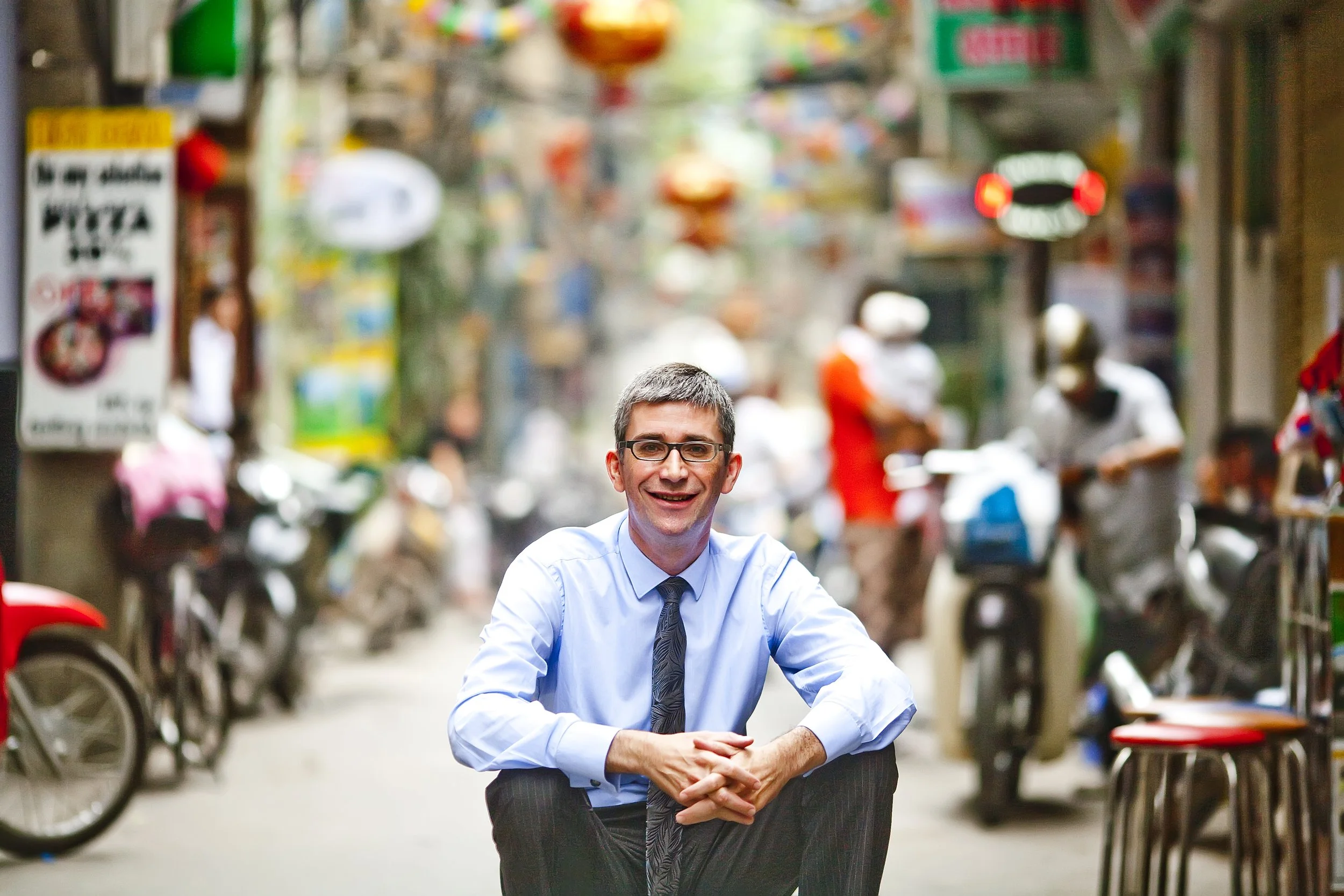
No Armani suit required—but also not board shorts and flip-flops. Use common sense.
Crowdfunding
It works for some, but it’s not a sustainable business plan for most. Try it if you want—just don’t rely on it.
Get Off Your Butt
Work won’t magically appear because you’re talented or won an award. You have to be proactive. Promote your work. Make yourself visible.
Many photographers avoid business because they think it compromises their art. I disagree. Running a business doesn’t make you less authentic—it makes you sustainable. I shoot editorial and commercial work, and documentaries because I love photography. My point isn’t that everyone should follow my path—it’s that if you want to make a living, you need to think like a business owner.
You don’t need to be rich—but you do need to survive long term. Don’t be ashamed of being a businessman or businesswoman. Embrace it, and maybe you won’t have to crowdfund your retirement.
If this was useful, feel free to add your own hard-earned lessons in the comments. I’ll even tolerate a few wise-ass remarks.
Justin Mott is an editorial and commercial photographer who’s been based in Vietnam for almost 20 years. In that time, he’s covered over 100 assignments for The New York Times and shot global ad campaigns for Fortune 500 companies across Asia and beyond.