Five Photography Exercises That Will Actually Make You Better
Five Simple Photography Exercises You Can Do Anywhere
Amateur photographers often get stuck. They plateau with their photography and start thinking the only way they’ll get better is by traveling to some far-off place or buying new gear. While there’s nothing wrong with traveling or even getting new gear, neither of those things will actually help you improve. This will.
When I went to university for photojournalism, my professor gave us weekly assignments. Those assignments sharpened my skills, forced me to slow down and really focus on what I was photographing, and eventually helped me find my vision as a photographer and I turned that into a 20 plus year career as an assignment and commercial photographer.
So whether you’re just starting out or you’ve hit a plateau and don’t feel like you’re getting any better, stop waiting for improvement to magically happen. And don’t let those thoughts creep in that tell you you’re not talented. Try this instead.
1.) Shapes
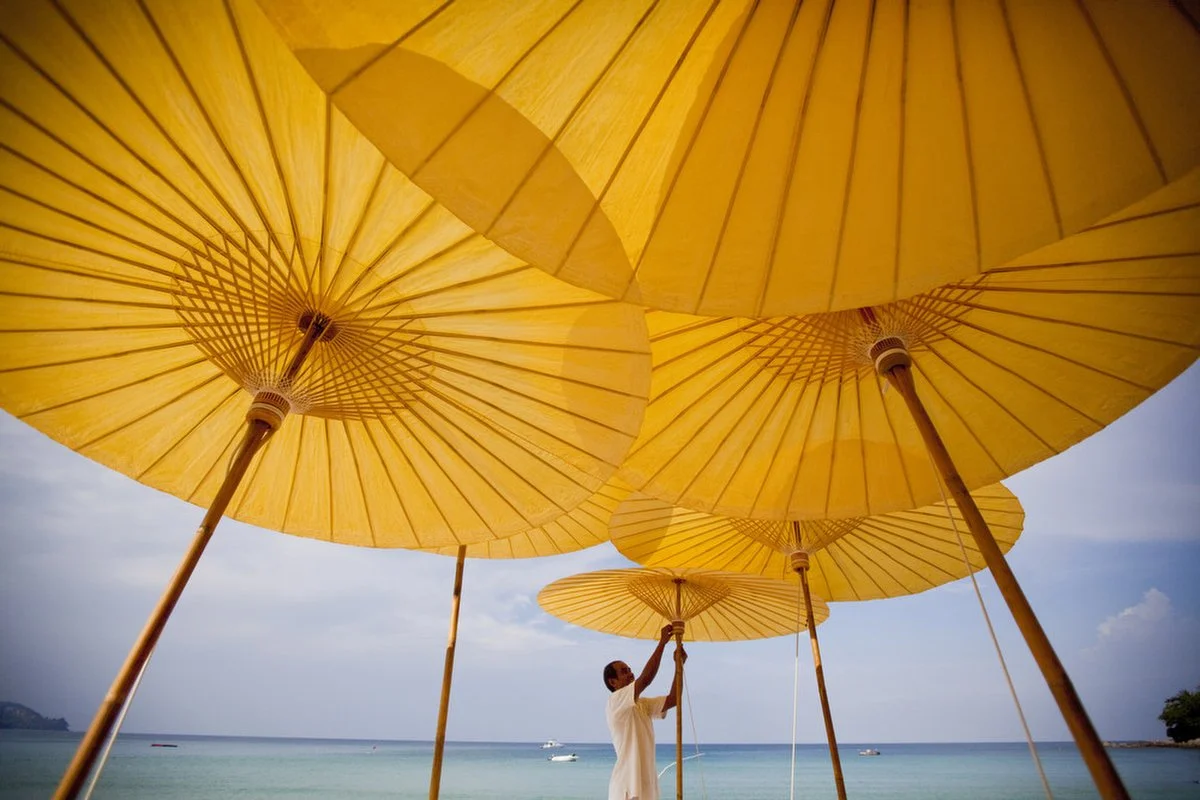
We used to do this exercise on the streets of San Francisco. Take an hour or even a full day and look only for circles in everyday life. Try to build photographs around them. You don’t need to be in a big city for this. You can do it around your house or anywhere you happen to be.
Wheels, eyes, a child blowing bubbles, water droplets, anything. Slow down and observe. Look for circles in everyday life and try to make photographs out of them. You can frame through circular objects, experiment, and have fun with it. The goal isn’t to come back with beautiful images. The point is to force yourself to see the world a little differently.
2.) Shadow a Person
Pick a loved one who’s doing something active. Painting, exercising, building something, anything besides sitting on the couch. Spend an hour photographing them in a pure documentary style. Don’t direct them. Just observe and photograph naturally. Your goal is to create a small three-image story that clearly shows what they’re doing.
This exercise teaches anticipation and patience. You learn how to position yourself, when to wait, and how to recognize moments before they happen. Start with an hour and slowly build up to spending more time with someone who does something you’re curious about.
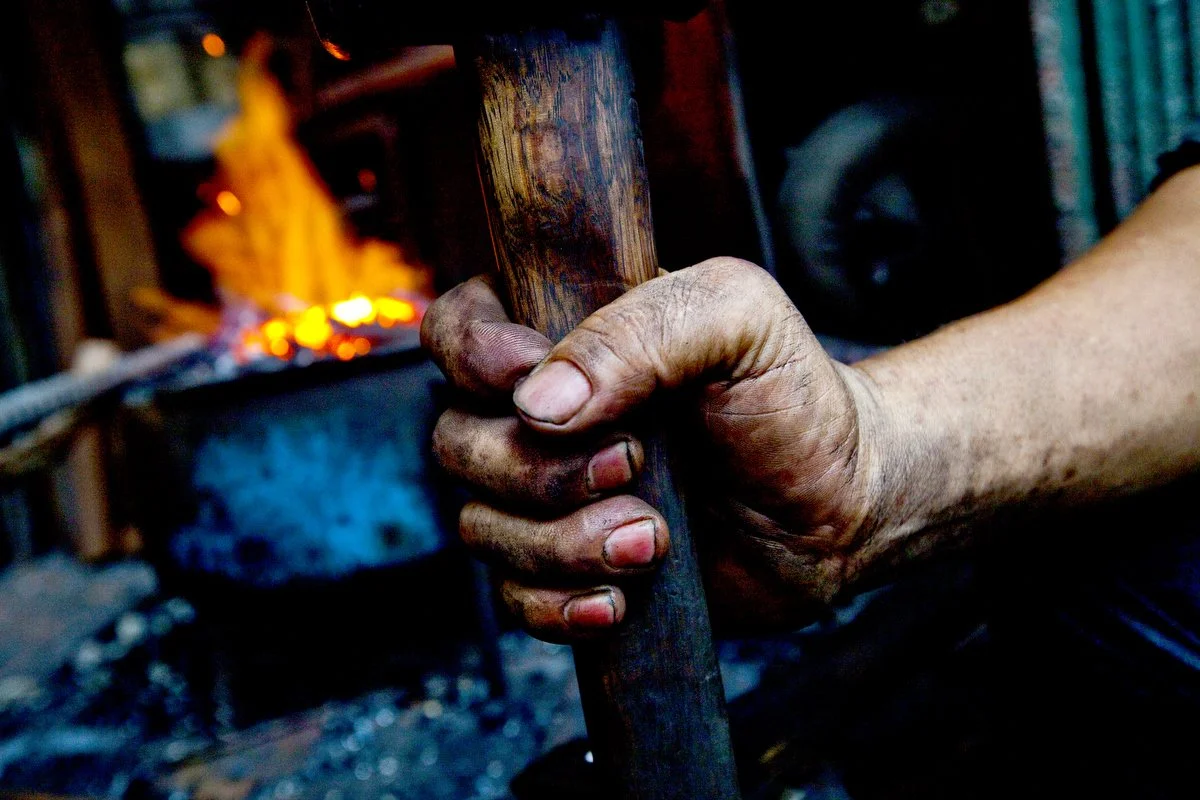
For example, if your friend is a painter, you might start with a wide shot of them in their studio, then a detail shot of brushes, paint, or a stained apron, and finally an action shot through the brushes as they work. You can take as many photos as you want during that hour, but always be thinking about the final edit and how those three images will tell the story.
If you really want to push yourself, the second time you do this, don’t repeat any photos you took the first time.
3.) The Roll of Film Exercise
Even if you’re shooting digital, go out for a set amount of time, anywhere from an hour to a full day, and limit the total number of images you take. Thirty-six is a good number to mimic a roll of film.
This forces you to slow down and think before pressing the shutter. You start asking yourself if a moment is actually worth photographing and what the best angle or approach is, instead of shooting aimlessly. It’s an honor system exercise, but be strict with yourself.
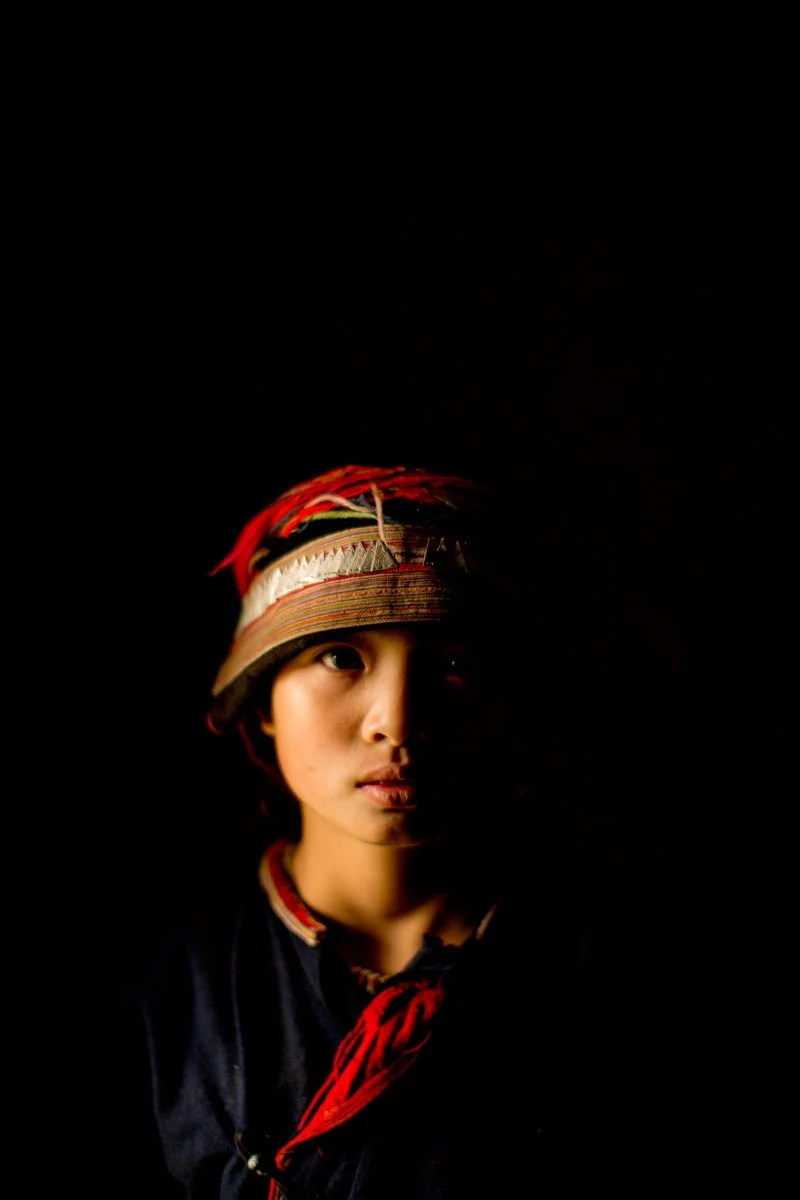
4.) Window Lit Portraits
This one is simple and fun, and you don’t even need to leave your home. Ask a family member or friend to pose for you. Go to a room with a window, turn off all interior lights, and have them angle slightly toward the window. Expose for the light hitting their face.
When you get the exposure right, the background should fall away nicely and give you a soft, dramatic portrait. Try moving in close to their eyes and then stepping back. See if you can make one image from the waist up, one from the shoulders up, and one just of the eyes. Exposure is everything here, so check it carefully in camera.
5.) Reflections
This can become cliché very fast, and for some photographers it becomes their only trick. But it’s still a useful tool, especially when you’re stuck in a visually boring situation and need to add interest to a scene.
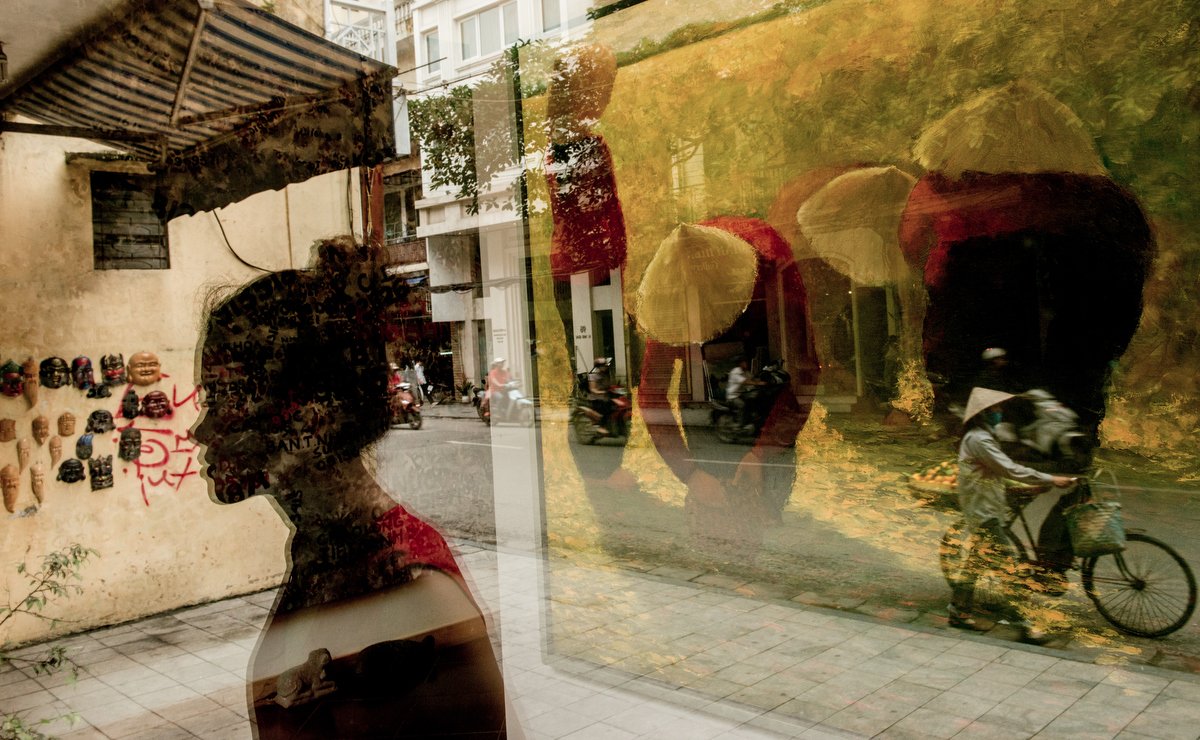
Puddles, mirrors, glass, TV screens, shop windows, reflections are everywhere once you start looking for them. I use this all the time when I’m in a bad situation but still need to make a strong photograph. Learn how to use reflections well first, then learn when not to overdo it and not to rely on it as your only move.
Only do one of these exercises at a time. Don’t overwhelm yourself. All of these self-assignments can be repeated over and over, and each one will help you improve in different ways. Practice makes a difference, but intentional practice is what actually leads to growth.
And lastly, if you’re an amateur photographer, this should be fun. So have fun with it, stay curious, and push yourself.