Selling Photography Prints Online: My Current Process
How I Actually Sell Photo Prints (Without Making It Complicated)
I’m always trying new ways to get my photos to work for me—passive income, or semi-passive, since I still handle orders and logistics. Every year, I review my print store, look for better ways to market and sell photography prints, and reassess the system behind it all.
Selling photo prints is a tough business, even for professionals. It’s competitive, saturated, and often undervalued. For amateurs, it’s not necessarily harder. The uneditioned print market isn’t based purely on overall image quality. If you find a niche and can market yourself well, you still have a chance.
My current process starts with building a focused collection. I select 15–25 images that are the most printable—not necessarily the best photos, but the most hangable ones. Images heavy on people’s faces tend to sell less. That’s not ideal for a photojournalist, but some of my signature faceless images work better as wall art.
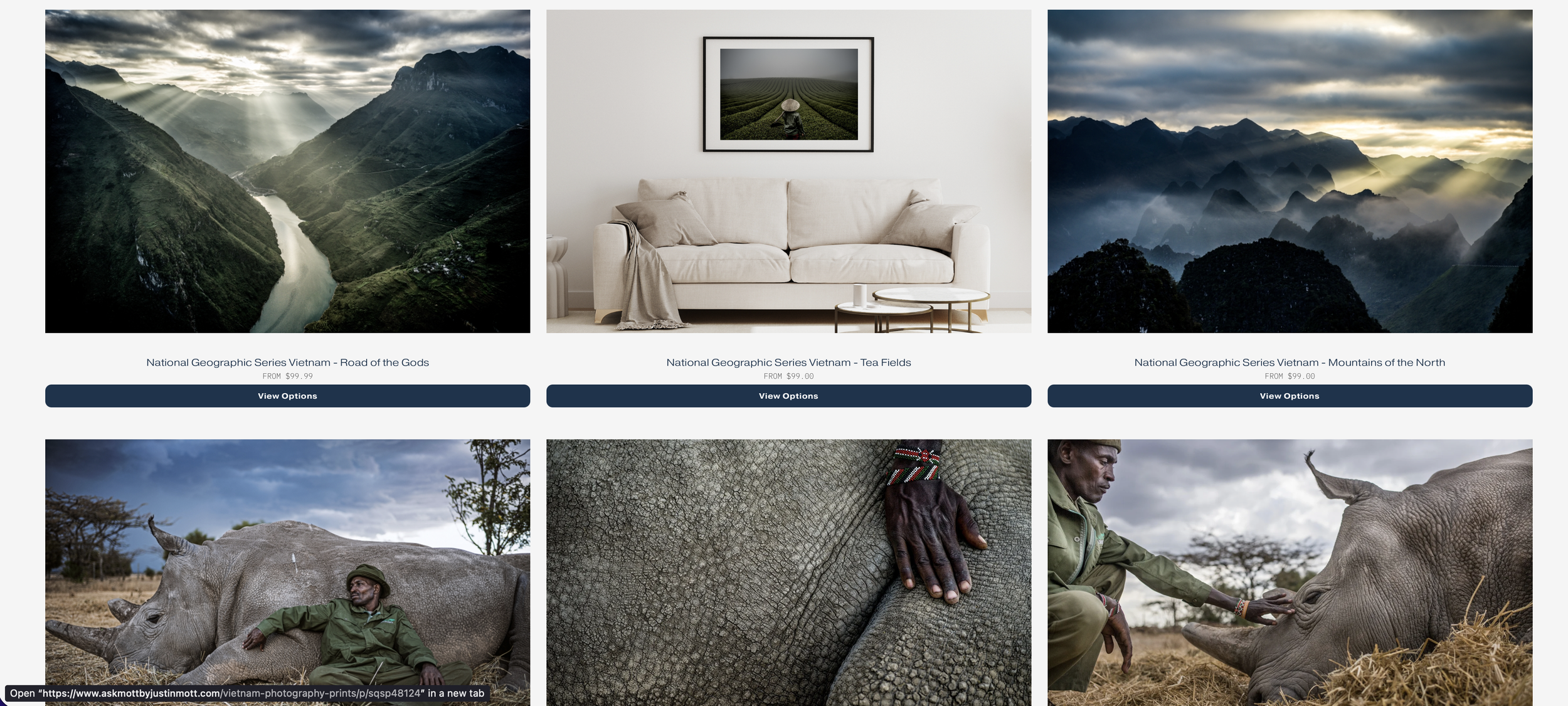
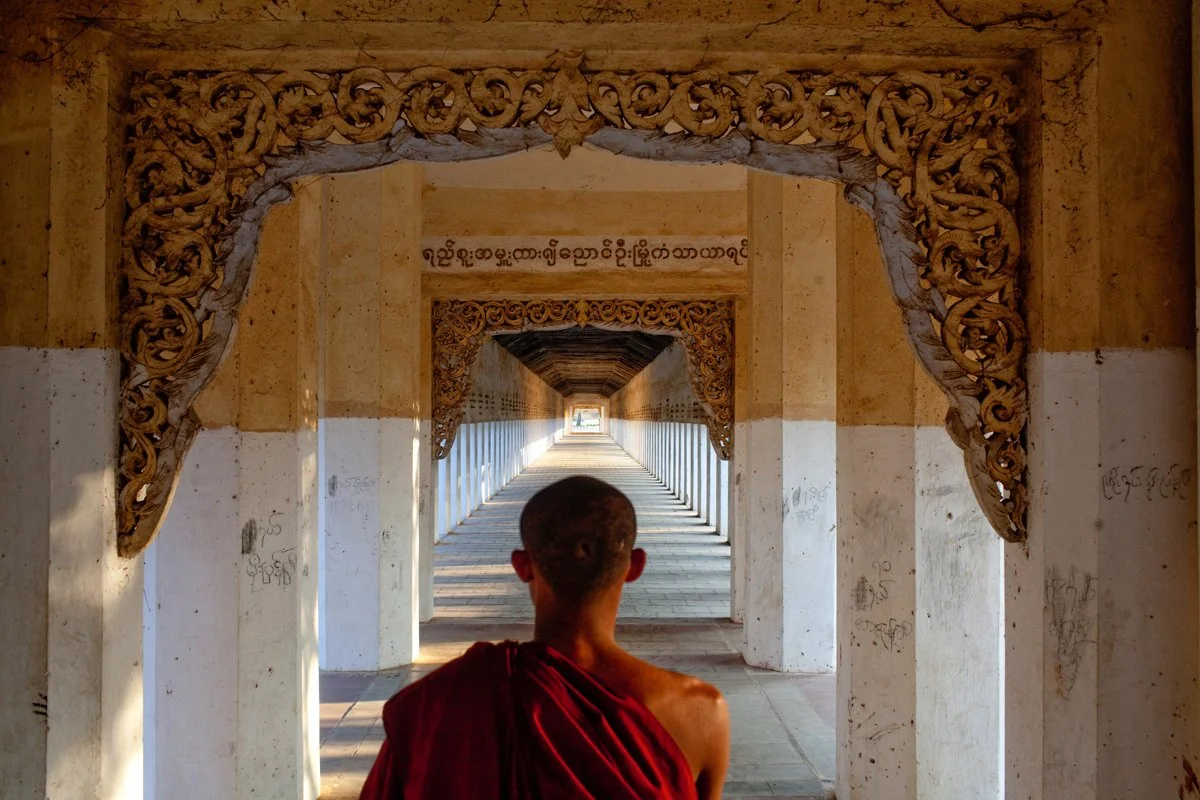
I always work within a theme. For me, that’s wildlife storytelling and Vietnam imagery. I keep five images permanently in the store and rotate the remaining ten quarterly. This creates urgency to buy while images are available and gives me a reason to announce new collections. For this cycle, I’m showing work from my Vietnam As Above So Below project. Next cycle, it might be New York Times assignment work. If you don’t have a large body of work, keeping themes simple—black and white one quarter, bold color the next—can also motivate you to shoot more.
My goal is to keep this part of my photography business simple and streamlined. That’s why I don’t frame, mount, or print myself. I live in Vietnam, and international shipping from here isn’t practical. More importantly, my interests don’t lie in printing, so outsourcing makes sense.
I limit sizes and paper options. I offer four print sizes based on a 3:2 aspect ratio: 8x12, 12x18, 16x24, and 20x30 inches. I use one paper type—lustre—which sits nicely between matte and glossy. I sell prints only. Framing adds complexity, especially when shipping glass.
I keep photo titles simple and occasionally include notable clients or publications the image was made for. That’s a small advantage in a crowded photography print market. Each product page clearly explains size options, shipping locations, and that prints are not signed, mounted, or framed. Although I have an international audience, shipping overseas became a hassle, so for now I ship to the USA and Canada only. Custom orders can be arranged via email.
For print fulfillment, I use Printique. The quality has been consistent, and I’ve sold a fair number of prints through them. My setup is mostly automated using Printique with Squarespace ecommerce, though it required some tweaking. Printique offers many print options, and disabling everything I didn’t sell wasn’t practical. My workaround was to build the backend in Printique, customize everything in Squarespace, and then turn off syncing. It meant more manual setup, but it worked.
Printique handles printing and shipping, and I offer a flat two-week ground shipping rate within the USA. Squarespace manages payments and transactions, making it easy to accept PayPal and credit cards, though there are fees and a higher-tier website plan required for ecommerce. Since I also sell presets, classes, and workshops through my site, keeping everything in one place is worth the added cost.
For pricing, Printique includes a calculator that allows you to set markups. Many photographers use around a 300 percent markup since large print labs keep costs low. I charge more than that, adjust pricing when needed, and occasionally run sales. You’ll have to test and see what works for your audience.
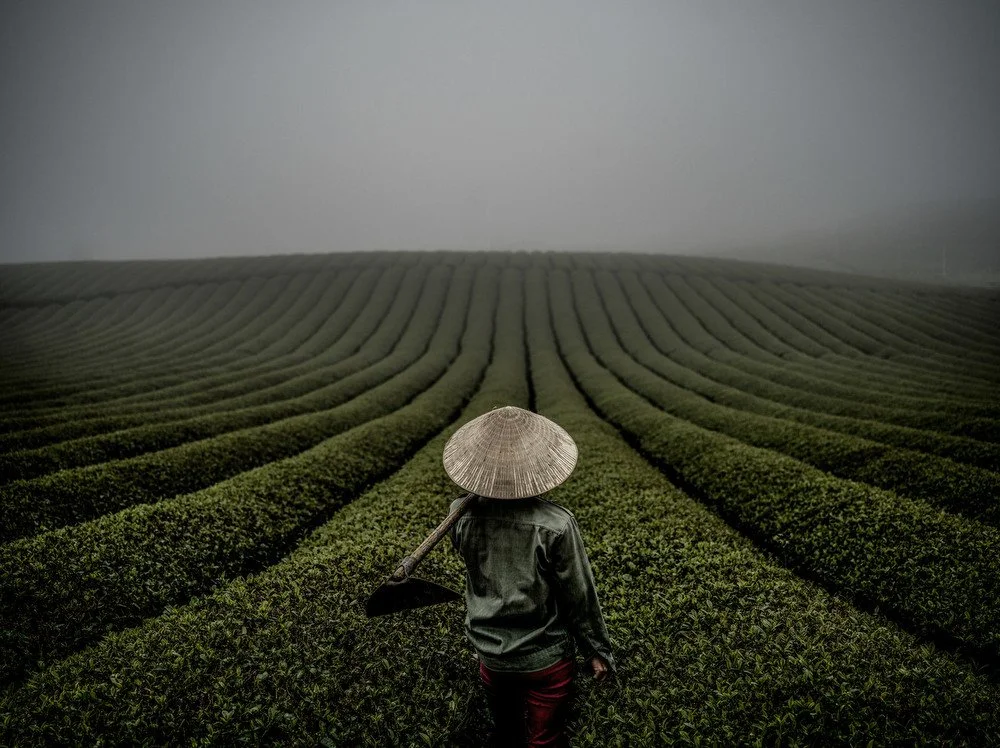
For marketing, I use overlays to show what prints look like on a wall. I rely on Canva, one of the most useful business tools I’ve paid for. I don’t enjoy traditional graphic design software, and Canva makes it easy to create clean layouts without a steep learning curve. My print store includes a mix of images and mockups so people can visualize the work in different environments.
A few times a month, I promote prints on Instagram and Facebook using different Canva layouts. I run promotions around holidays and experiment with short videos and reels. My print store is linked across YouTube, Instagram, Facebook, and my websites.
For amateur photographers, local marketing is often the strongest option. Friends and family are more likely to buy from you than from someone they don’t know. They understand your story, so tell it. Share the context behind the image on your website and when selling directly. For me, that story might involve a Leica campaign or a National Geographic publication. People want a story to tell when a photo hangs in their home or business.
Not everyone can justify the cost of an ecommerce website, and that’s fine. Maybe printing at home works for you, maybe you enjoy the process, or maybe your goal isn’t profit but simply seeing your photos on a wall. Don’t be intimidated by professionals or by a lack of résumé. Start with your inner circle, test the market, and make it easy for people to view and purchase your work. Then expand to local cafes, restaurants, and businesses. Photography is a hustle, so be creative both online and in person.
If you have a print store, share it in the comments or ask questions below. I answer just about everything. View my print store here.