Leica M Cameras: Love, Frustration, and the Truth After Real Use
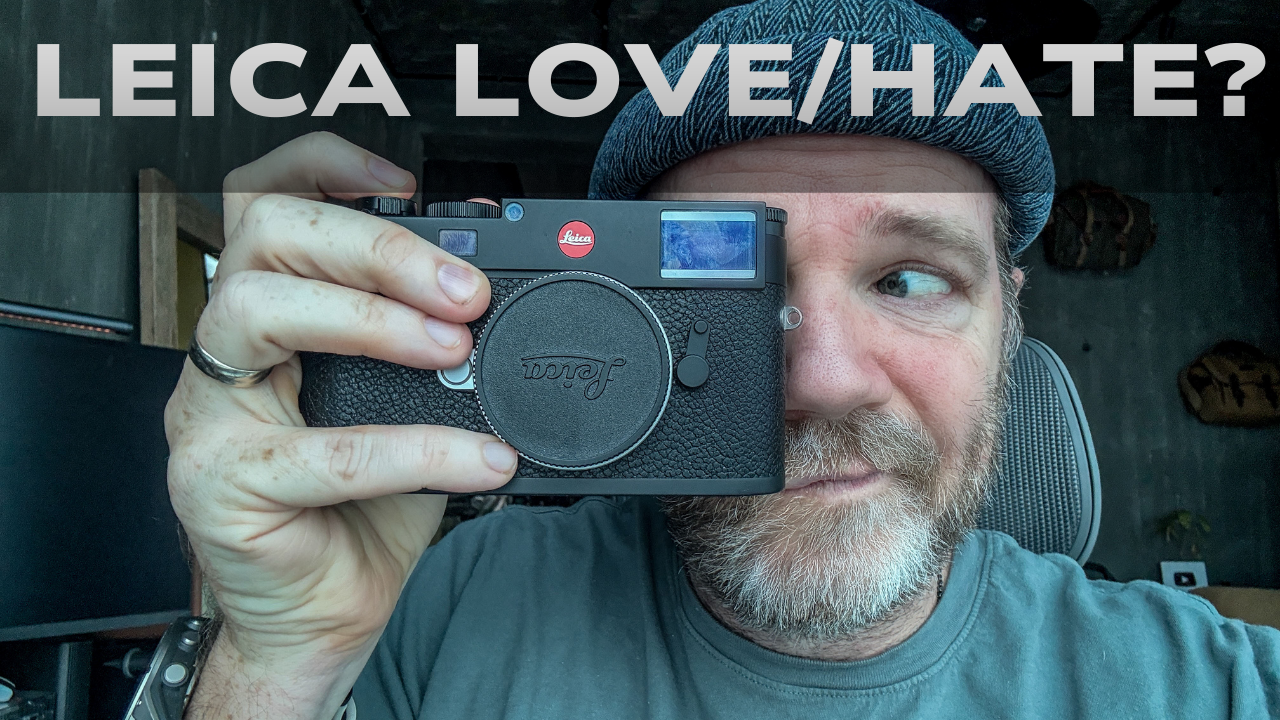
Leica M cameras have been a part of my life for years now. I’ve used the M10D, the M10, and more recently the M11 across a range of real-world situations. Not just casual shooting or weekend walks, but actual assignments, personal projects that I’ve funded myself, and even some commercial work. These cameras have been in environments where things matter, where moments are limited, and where failure isn’t just frustrating, it actually has consequences. That’s the context for everything I’m about to say.
This isn’t going to be a technical review. There are plenty of those already. If you’re looking for charts, specs, or side-by-side comparisons, this isn’t that. What I can offer instead is something much more useful, which is an honest account of what it’s like to actually rely on these cameras over time, not just test them for a few weeks.
The truth is, my experience hasn’t been perfect. In fact, it’s been far from it. Over the years I’ve owned multiple Leica M bodies and most of them have had issues. Not minor quirks that you can brush off, but real problems that required repair. Two out of three had to be sent back, and that alone should raise some eyebrows considering the price point we’re talking about.
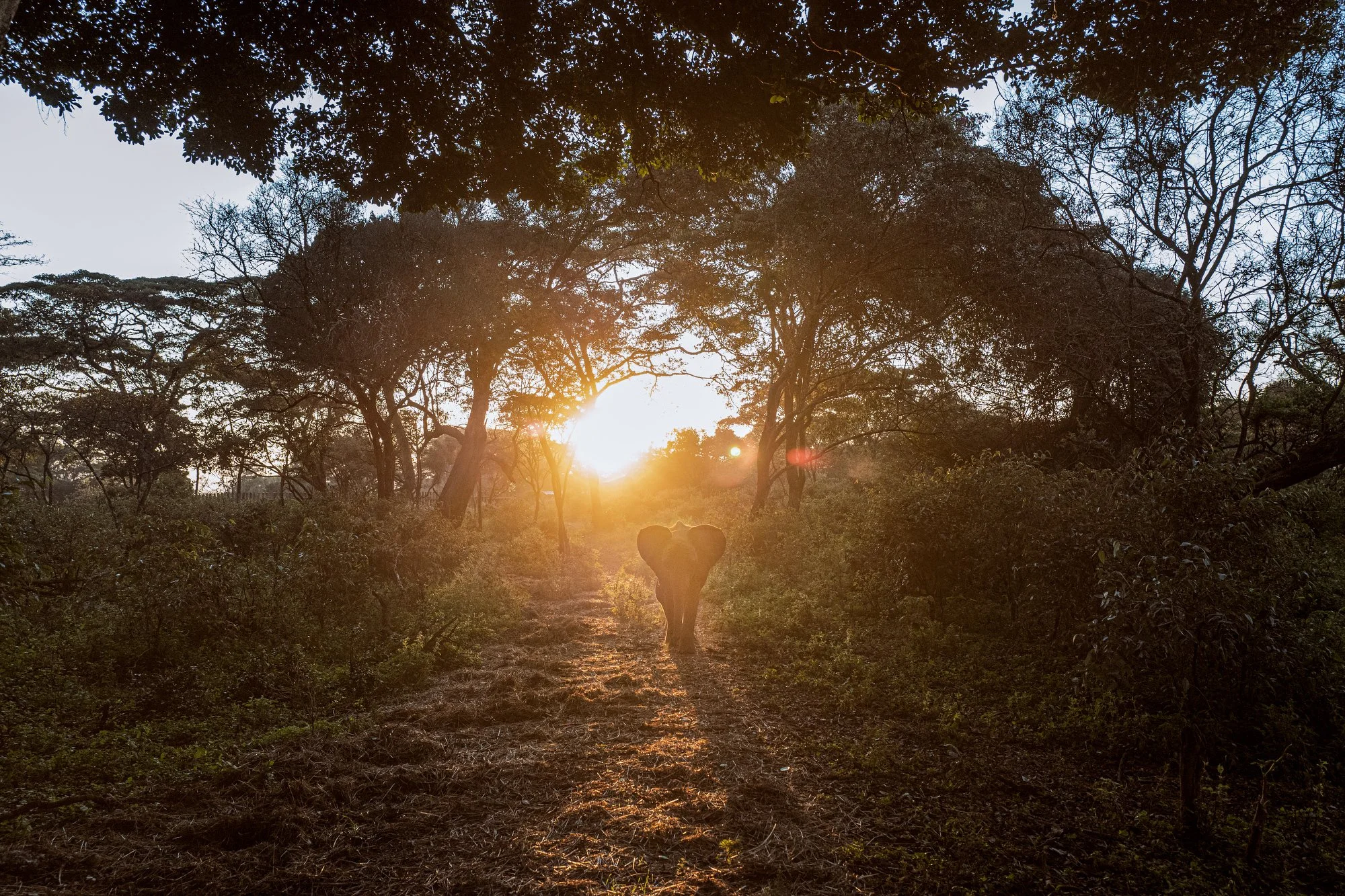
One of the most frustrating experiences happened in Kenya while I was working on a personal project photographing orphaned elephants. It was one of those situations where access is limited and every moment counts. I had only a couple of days there and had invested a lot to make it happen. I was using the M10D and at a certain point it just stopped working. The camera wouldn’t fire. No warning, no clear explanation, just a complete failure to do the one thing it’s supposed to do. Later on I found out it was related to how the SD card had been formatted on another camera, which is a ridiculous problem to have in the first place. The workaround involved dedicating specific cards just for that camera or doing a deep format on a computer. That might sound manageable on paper, but in practice it’s not something you should have to deal with on a camera at that price.
It didn’t stop there. I bought a pre-owned M10 as a backup, thinking I’d learned my lesson about always having redundancy. A few months in, that camera developed a focus alignment issue and had to be sent back to Germany. That process took months. At that point I started questioning things, but I also found myself making excuses, which in hindsight is something a lot of Leica users do without even realizing it.

Then came the M11. This was where I really wanted to give the system another proper chance. I had this idea of simplifying my workflow and relying more heavily on the M system, even for professional assignments. I took it with me to Cambodia on a job and very quickly realized that trust still wasn’t there. The camera was misfiring, lagging, and behaving inconsistently. I’d press the shutter and nothing would happen, or it would fire with a delay, or it would skip frames entirely. When you’re working on assignment, especially for a client you care about, that kind of unpredictability isn’t just annoying, it’s stressful.
Luckily I had a backup with me and was able to finish the shoot, but that’s not really the point. The point is that I shouldn’t have to rely on a backup to compensate for a primary camera that can’t be trusted in those situations.
What’s interesting is that you don’t hear a lot about these kinds of issues on YouTube. And I think there are a couple of reasons for that. One is that many reviewers simply don’t use these cameras long enough or hard enough for problems to show up. Shooting casually or testing a camera for a short period of time is very different from putting it through real assignments where you’re taking thousands of images in unpredictable conditions. The second reason is a bit more uncomfortable, which is that a lot of people want to maintain good relationships with brands. Access, collaborations, and validation all play a role, and that can influence how honest someone is willing to be publicly. I’ve seen it firsthand.
That said, it would be unfair to only talk about the negatives because there is a reason I keep coming back to Leica. There is something about these cameras that is genuinely special. The design, the simplicity, the tactile experience of actually using the camera all contribute to something that feels very different from most modern systems. The lenses in particular have a character that’s hard to replicate. The way they render, the way they feel in your hand, even the act of focusing them, it all connects you more directly to the process of making a photograph.
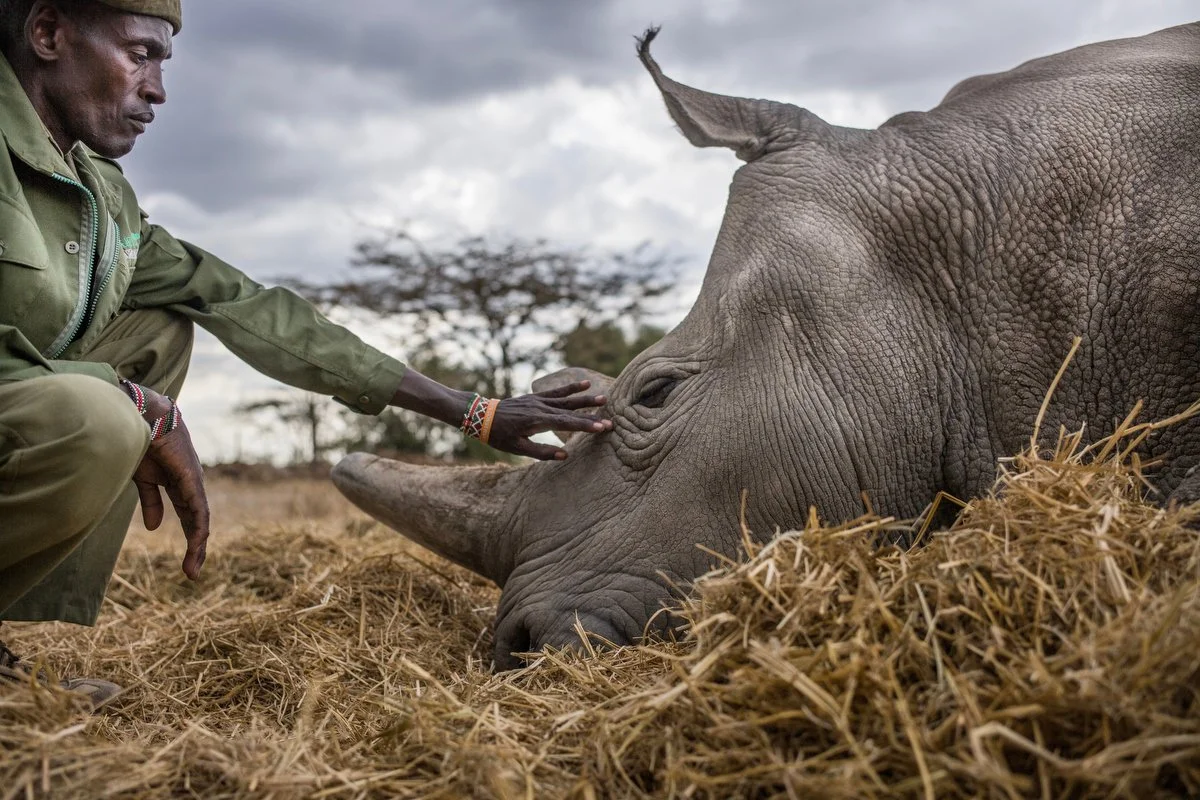
For personal work, for everyday shooting, for slowing down and being more intentional, Leica is still one of the most enjoyable systems I’ve used. It feels closer to shooting film without all the downsides of actually dealing with film. It strips things back in a way that I find refreshing, especially in a world where most cameras are becoming more complex and more automated.
So where does that leave me now. The honest answer is somewhere in the middle. I still use Leica and I’m still willing to give the system another chance, but I don’t fully trust it when it comes to critical, paid assignments. For that kind of work, I rely on other systems that have proven themselves over years of consistent performance. Cameras that I’ve pushed hard in all kinds of conditions without failure. That reliability matters, especially when your reputation is tied to the outcome.
This isn’t about hating Leica and it’s not about blindly supporting them either. It’s about being honest. There are things they do incredibly well, and there are areas where they fall short, especially when it comes to reliability and consistency. Both of those things can exist at the same time.
I still have a real appreciation for what Leica represents and what their cameras offer, but it’s a more complicated relationship now. And if you’re thinking about investing in the system, I think it’s important to go in with a clear understanding of both sides, not just the romantic version of it that gets talked about most often.
Justin Mott is a professional editorial and commercial photographer based in Vietnam and working globally. You can view his portfolio here to learn more about him and his work. Please consider subscribing to our newsletter below to stay update on our latest news for workshops, articles, talks, gear reviews, and much more.
Watch the full YouTube episode below.