Billingham Ten-16 Review: A Small Camera Bag That Makes You Carry Your Camera Again
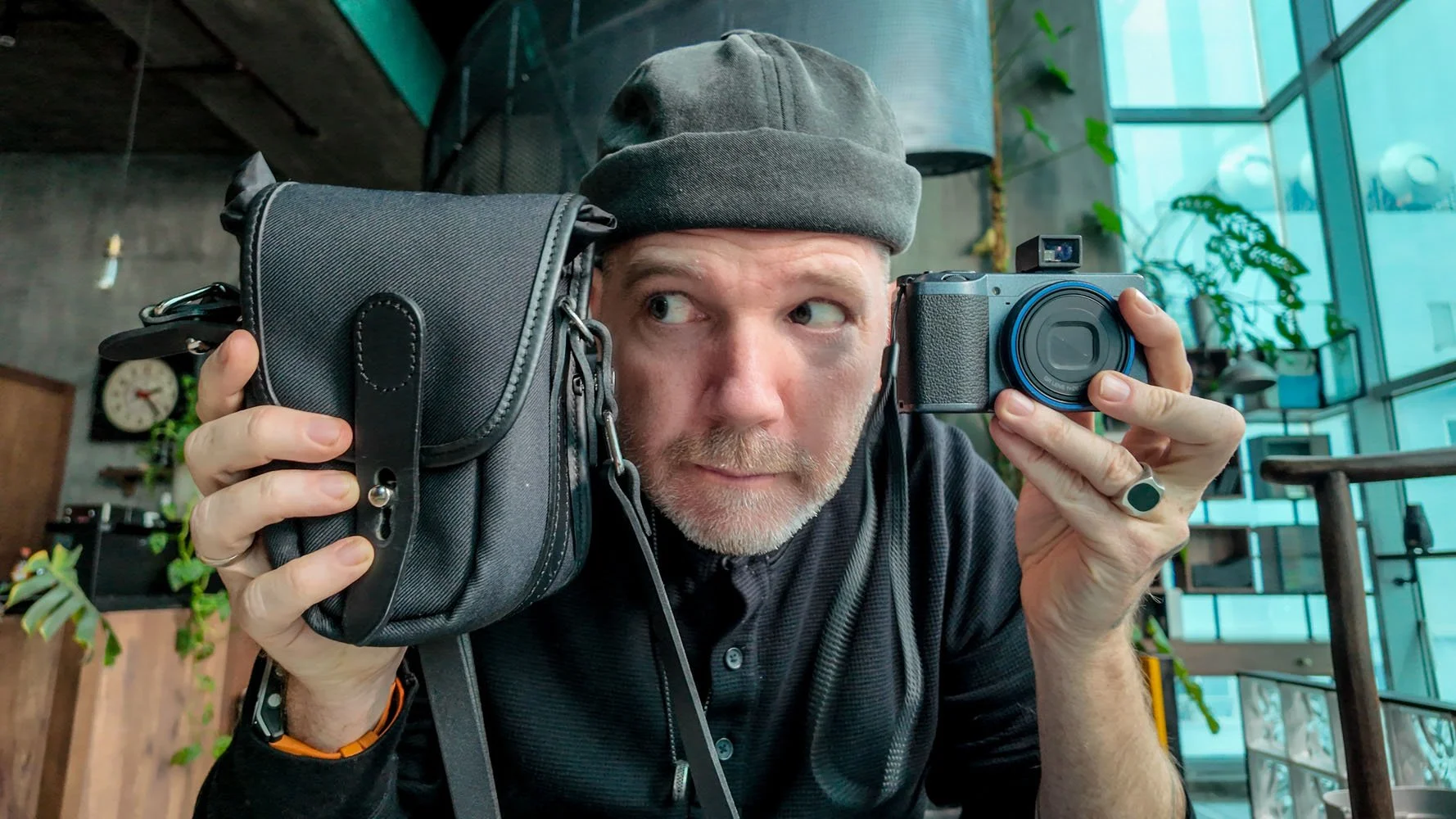
Who This Bag Makes Sense For?
Compact cameras are having a real moment again, and honestly, I love it. Smaller cameras mean fewer excuses. You are more likely to take them with you, more likely to shoot, and less likely to overthink the process. The Billingham Ten-16 fits perfectly into that mindset.
Billingham has been making camera bags for decades, and they are known for craftsmanship and long-term durability rather than trends. These are bags people keep for years, sometimes decades. While they are often associated with Leica users, the reality is they are for anyone who values quality materials and thoughtful design.
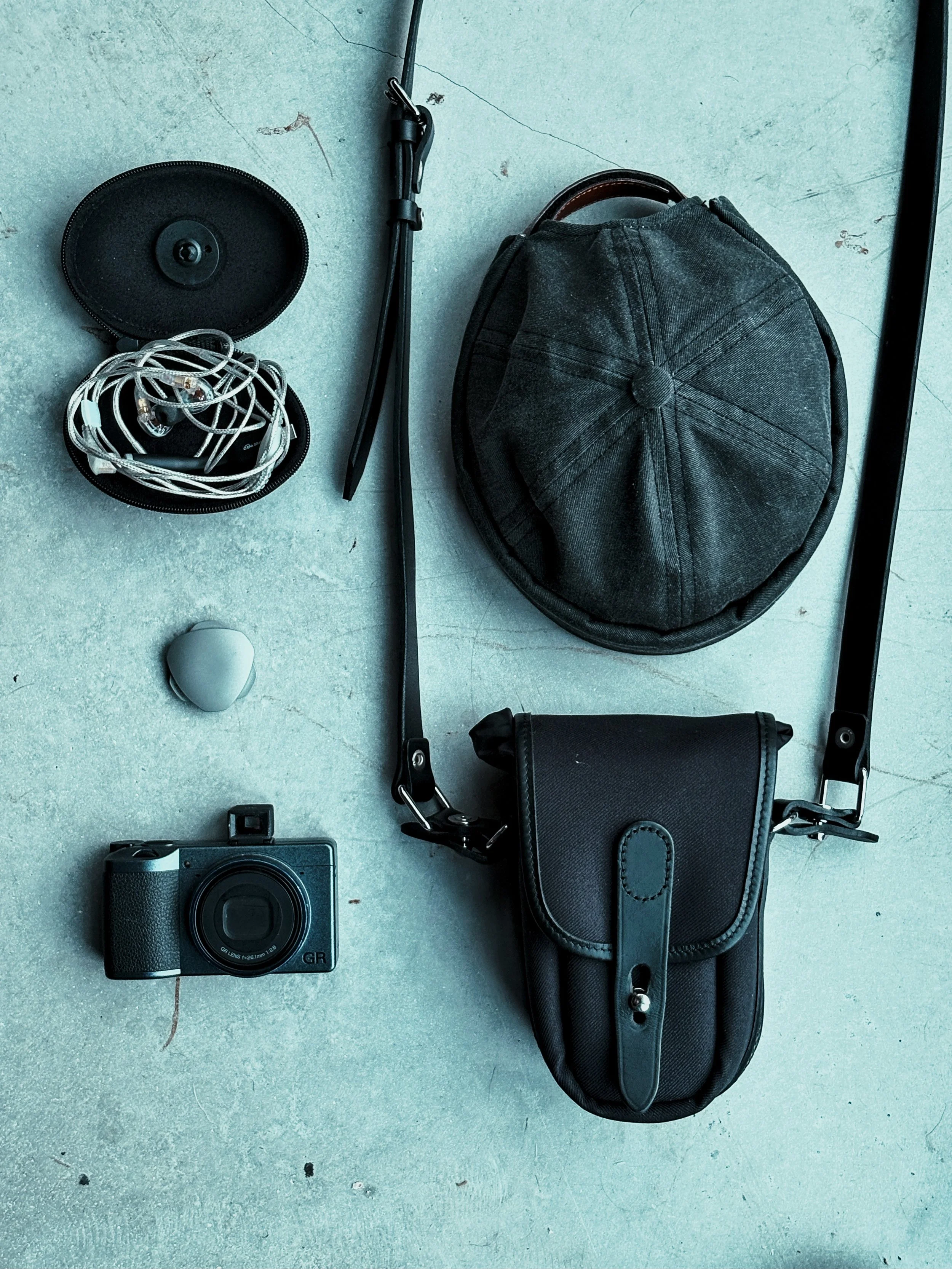
In addition to being perfect for a compact camera I’ve found myself using it frequently as my EDC bag as well.
The Ten-16 is one of Billingham’s smallest bags, and it is clearly designed with compact cameras in mind. Cameras like the Ricoh GR, Leica D-Lux, Fujifilm X100 series, or even something like the Sony RX1R III all feel right at home here. These are cameras that are almost pocketable but not quite, and the Ten-16 gives them a proper place without adding bulk.
The bag comes in four color options: black, sage, tan, and burgundy. The tan and burgundy versions use canvas with leather accents, while the black and sage are made from Billingham’s Fibrenyte material. I went with black. It works with everything, and while canvas will develop patina over time, the Fibrenyte tends to keep a cleaner, newer look for much longer. Different personalities, same level of quality.
The shoulder strap is leather, removable, and adjustable, and if you have used Billingham bags before, it will feel instantly familiar. The front closure uses their quick release clogball system, where the leather strap slides up and off the ball for fast access. It is secure when closed but quick to open, which matters when you are shooting on the street or trying to grab a moment without fumbling.
Inside the main compartment, there is an additional shower proof liner with a drawstring closure. This is one of those details you do not think about until you need it. If you get caught in light rain or unexpected weather, your camera is sitting inside an extra layer of protection rather than relying only on the outer shell.
Straight from Billingham’s Website here are the dimensions.
External Dimensions
• Width: 140 mm (5 ½″)
• Depth: 90 mm (3 ½″)
• Height: 185 mm (7 ¼″)
Internal Dimensions
• Width (front): 65 mm (2 ½″)
• Width (back): 90 mm (3 ½″)
• Depth: 70 mm (2 ¾″)
• Height (front): 150 mm (5 ⅞″)
• Height (back): 185 mm (7 ¼″)
Capacity and Weight
• Capacity: 0.7 litres
• Weight: 0.33 kg (0.73 lbs)
Shoulder Sling
• Adjustable length: 123 mm to 139 mm
The interior layout is intentionally simple. There is one main compartment for your camera, with two slim side pockets that run the full length of the bag. It is not trying to be modular or overdesigned, and I appreciate that. It encourages you to carry only what you actually need.
For someone like me, who hates stuffing things into pockets, it works really well. A compact camera, a phone, a slim wallet or money clip, and spare batteries all fit comfortably. Even larger phones fit snugly without feeling forced. It stays tidy, and nothing rattles around.
One small note, and I am sure camera bag designers love it when photographers like me have notes. Believe me, I would roll my eyes just as hard if a camera bag designer started critiquing my photos. That said, I would love to see one small internal zip pocket added. Nothing big. Just enough space for a spare battery. While they are at it, they might as well embrace the AirTag reality and include a simple spot for one of those too.
The reason I like a zip pocket is simple. I might throw a memory card in there, and I would hate for that to slide out. I am not asking for anything complicated. Just a small internal zip pocket where I could keep one battery, one memory card, and an AirTag and not think about it again.
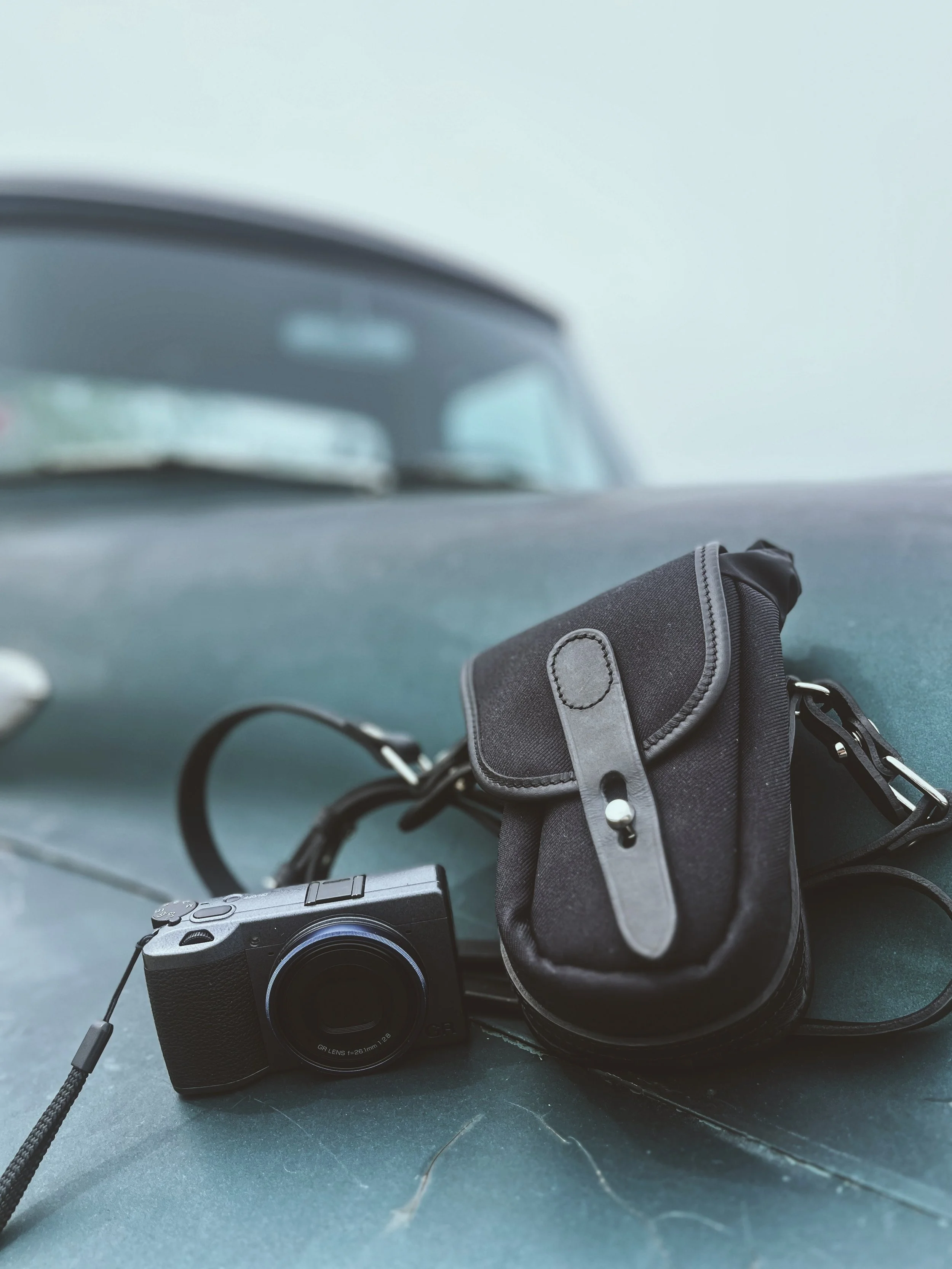
I took the Ten-16 with me on a day trip to Block Island and it was absolutely perfect for taking travel photos wandering on a scooter with my wife.
One thing that surprised me is how often I ended up using this bag without a camera. It does not scream camera bag, which makes it easy to use as an everyday carry. I wore it to a wedding recently with just my wallet and Ricoh inside, took a few casual photos, and it actually dressed up nicely. It feels more like a small personal bag than a piece of camera gear.
The Ten-16 can also be worn on a belt, though that is not something I personally see myself doing. Still, the option is there if that fits your style or workflow.
The rise of compact cameras is one of the best things to happen to photography in recent years. Lighter setups, simpler decisions, and more photographs being made. The Ten-16 supports that way of working. It removes friction and makes it easier to bring your camera along instead of leaving it behind.
If you need something slightly larger, for a Leica M or Q for example, Billingham’s Stowaway collection is worth a look. Those bags have been around for a while, but as more photographers choose to carry less, they make more sense than ever.
In the end, the Ten-16 is beautifully made, thoughtfully designed, and perfectly suited to compact camera users. It does not try to be everything. It does its job quietly, looks good doing it, and encourages you to shoot more often. That alone makes it worth considering.
You can find a link to the Ten-16 in the affiliate links. For workshops, online photography classes, and my updated gear guide, visit askmott.com.
Justin Mott is an editorial and commercial photographer who’s been based in Vietnam for almost 20 years. In that time, he’s covered over 100 assignments for The New York Times and shot global ad campaigns for Fortune 500 companies across Asia and beyond.
Watch the full episode below.